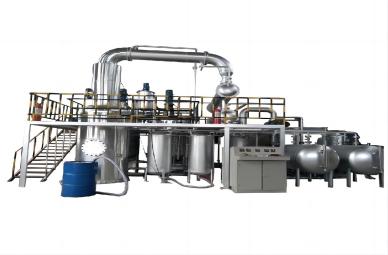
Waste Oil Refining To Diesel Fuel Machine
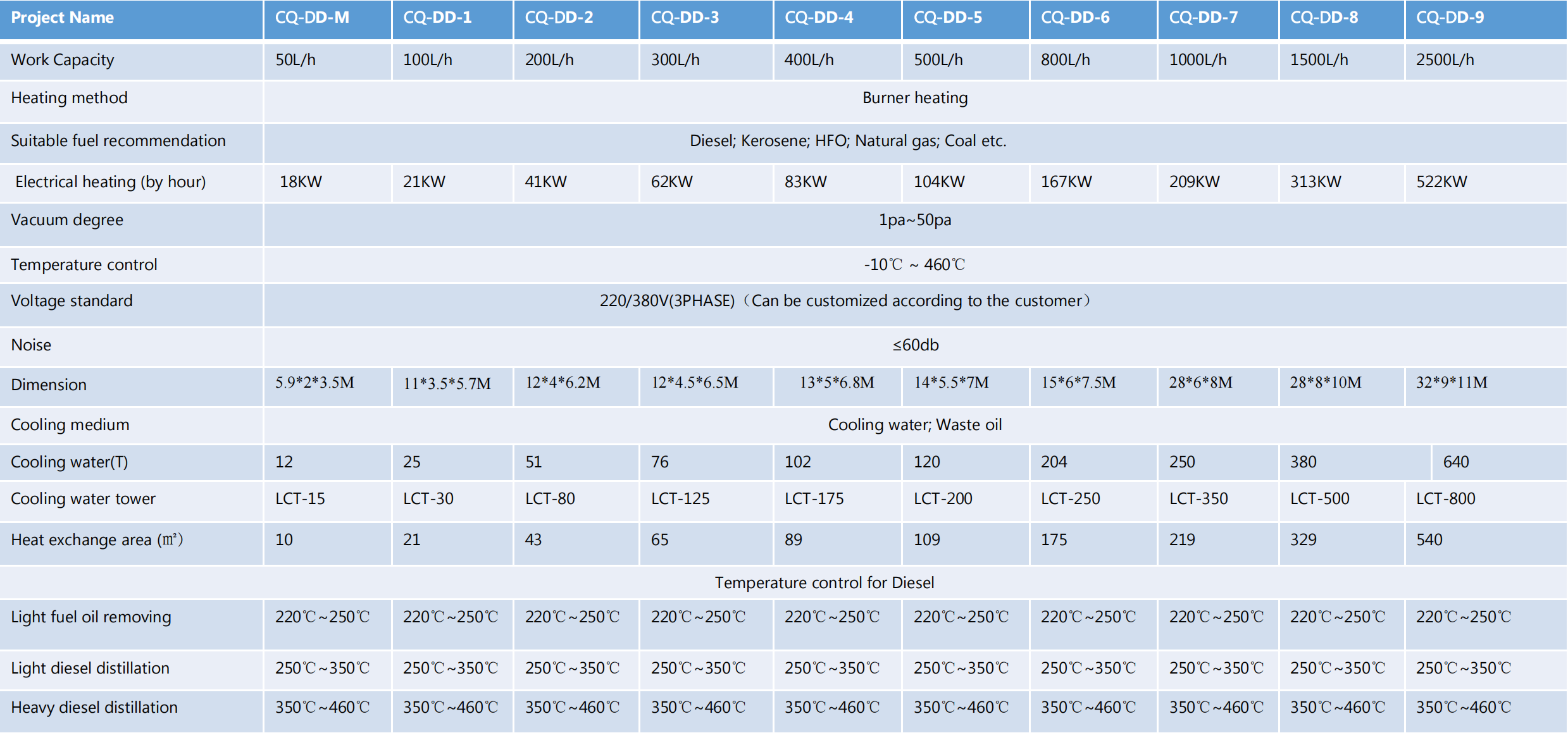
CQMQ-DD series is suitable for used engine oil, motor oil, heavy fuel, bunker oil, oil sludge, kinds of lubricant oil and other oil to clean diesel. After our machine's recycling, then the waste oil can be changed into clean diesel oil. Which can be used in ships, trucks, generators and etc. directly
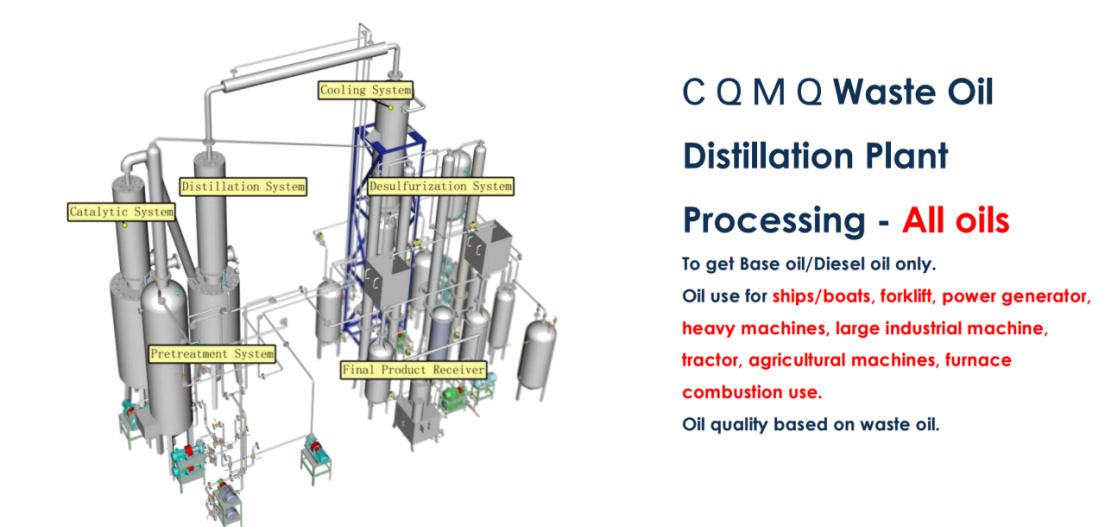
How to Crack Waste Motor Oil into Diesel Fuel?
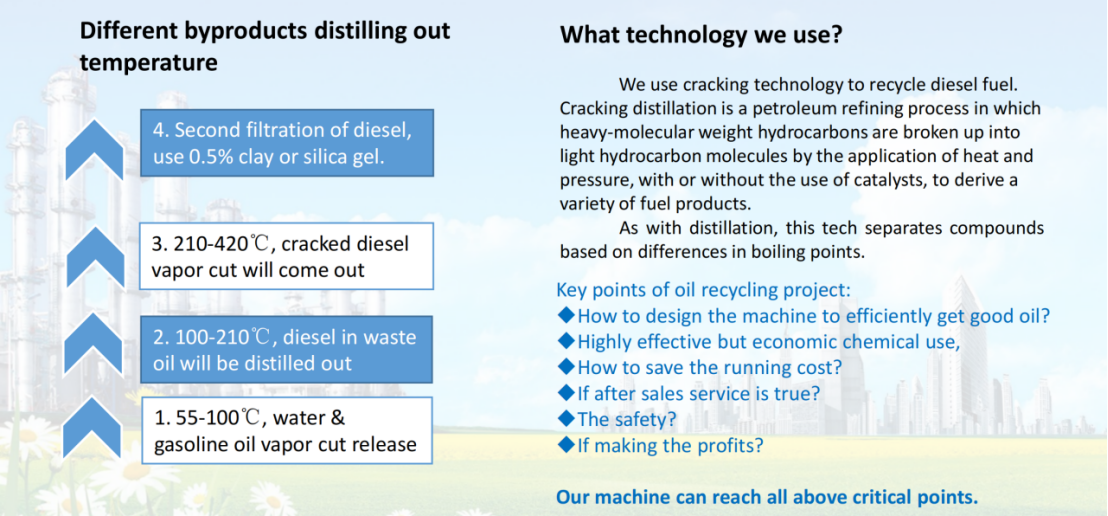
Cracking is a petroleum refining process in which heavy-molecular weight hydrocarbons are broken up into light hydrocarbon molecules by the application of heat and pressure, with or without the use of catalysts, to derive a variety of fuel products. Cracking is one of the principal ways in which used oil is converted into useful fuels such as motor gasoline, diesel fuel and home heating oil.
Cracking breaks carbon-carbon bonds to turn heavier hydrocarbons into lighter ones. This can occur thermally (as occurs during the petroleum formation process beneath the earth) or through the action of a catalyst.
Diesel oil can be used in many different products. This is because it has many different hydrocarbon compositions of different sizes, which are used separately in different ways due to their different properties. The purpose of a waste oil recycling machine is to separate and purify these different components. The waste oil recycling machines can be grouped into three classes: Light distillates (liquefied petroleum gas, naphtha, and gasoline), middle distillates (kerosene and diesel), and heavy distillates (fuel oil, lubricating oil, waxes, and tar). While all of these products are familiar to consumers, some of them may have gained fame under their refined forms.
Process Procedure:
Step 1: The waste oil is pre-treated by Centrifugal machine or Disccentrifuge to remove water and big dirty first for protect oil pumps and decrease the evaporate time.
Step 2: Pump the oil into blending tank, and then add catalyst solvent( catalyst need mix with water first in the catalyst tank, the quantity of catalyst is 2%-5%) and react with the oil for 30 min. finally pump the oil into distillation kettle.
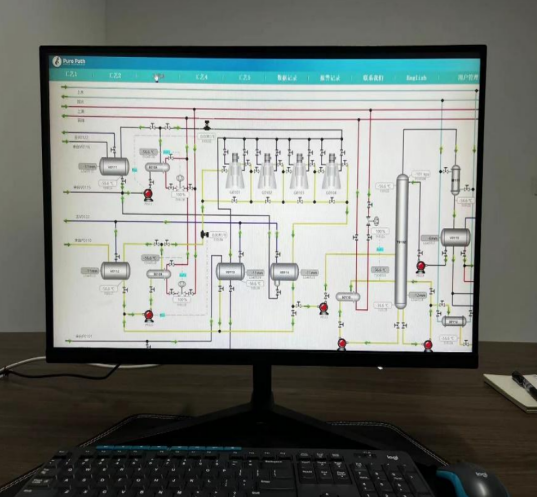
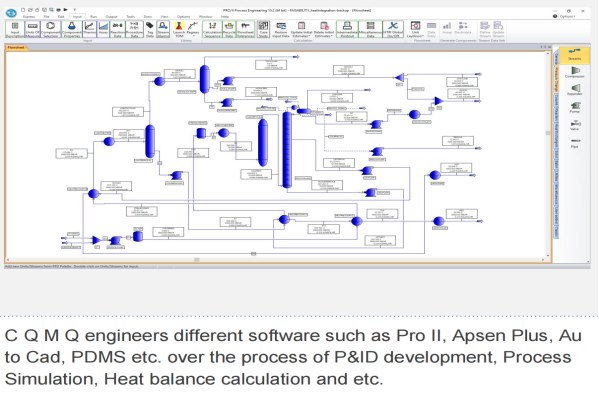
Step 3: when oil was pumped into the distillation kettle, begin to heating, we don't heat the kettle directly, but use the heat exchanger heat the oil indirectly. There are many pipes into the heat exchanger, the conducting fluid(hot oil) will circulate between boiler and the inside pipes of heat exchanger, and waste oil will circulate between distillation kettle and outside pipe of heat exchanger, then conduct the heat to waste oil in exchanger.
Step 4: The temperature will be up by the heating. First you can get about 1.5% water will collected under temperature between 80-120 degree; second you can get about 7% diesel and gasoline oil mixture, the temperature is 170-210 degree; third there are about 42% light base oil under temperature between 230-250 degree; at last there is 43% heavy base oil, the temperature is 280-300 degree.The oil vapor will be cool down to oil by condenser, then goes into different receiving tank according to different temperature. There are pressure gauges and temperature gauges on the machine, you can control it totally.
Step 5: The distilled oils are clean oil, generally it has no need further treatment, they are going to be blended with additives to get finished oils for the automotive and industrial applications. If you want the oil color kept for a longer time, you can add 2% clay, then use the after-treatment system of the machine to treat it, the color will be more beautiful. (Usually the after-treatment, customers no need to use it, but we prepare in the machine for you.)
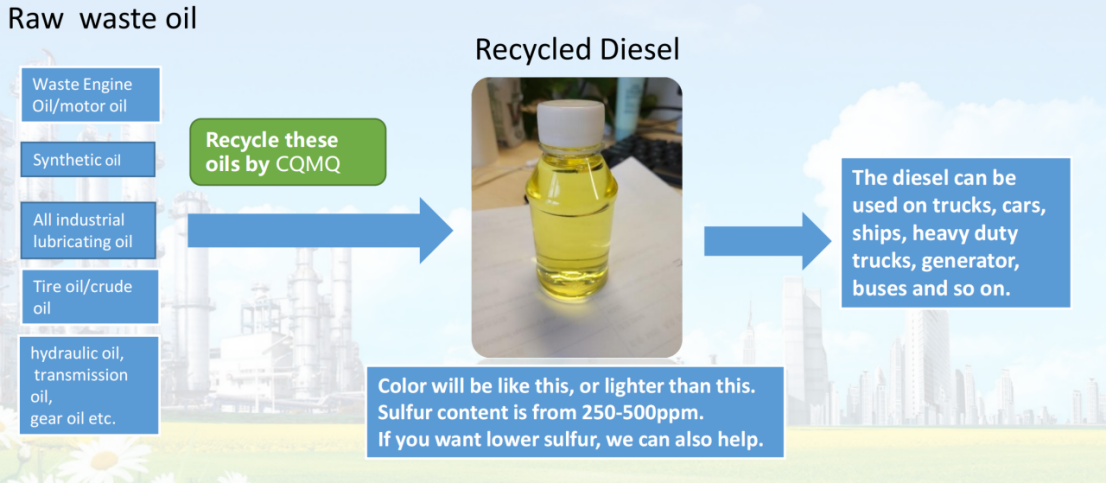
Technology from CQMQ
Our Design of the Machines
Technical Parameter of Our Machines
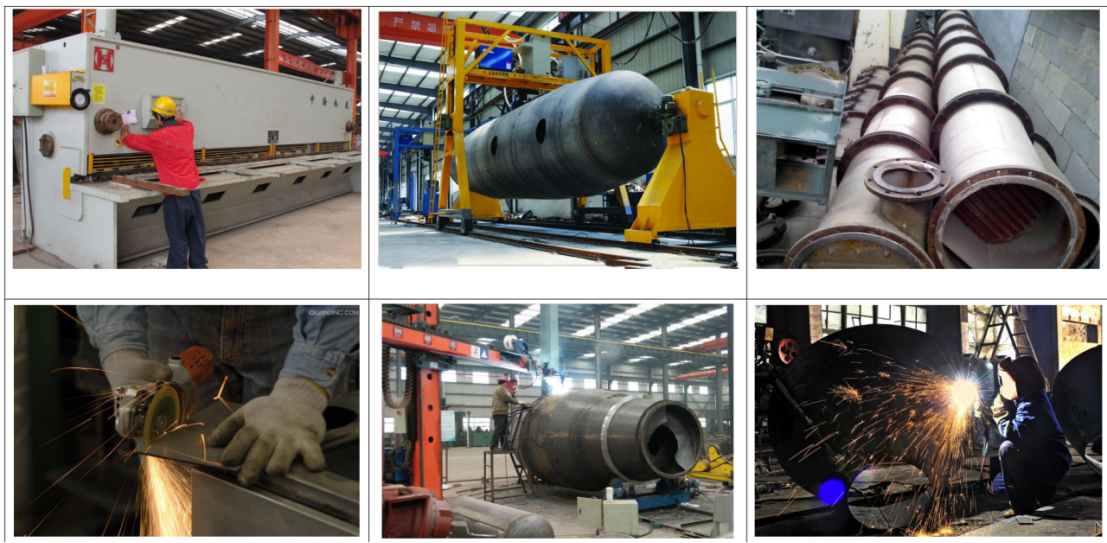
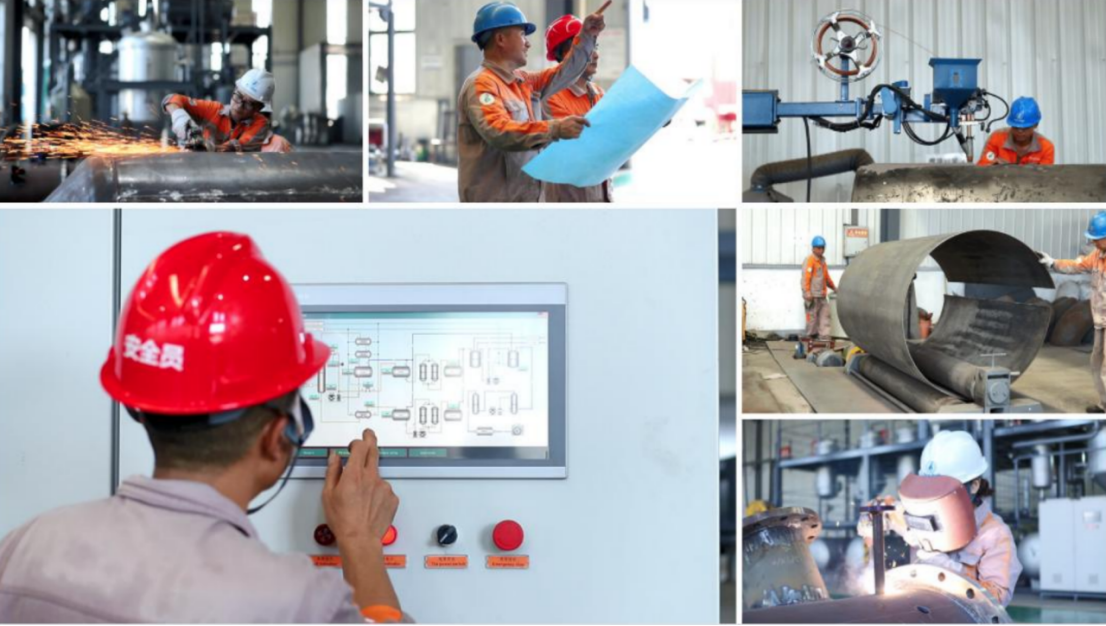
Workshop Fabrication and Quality Control
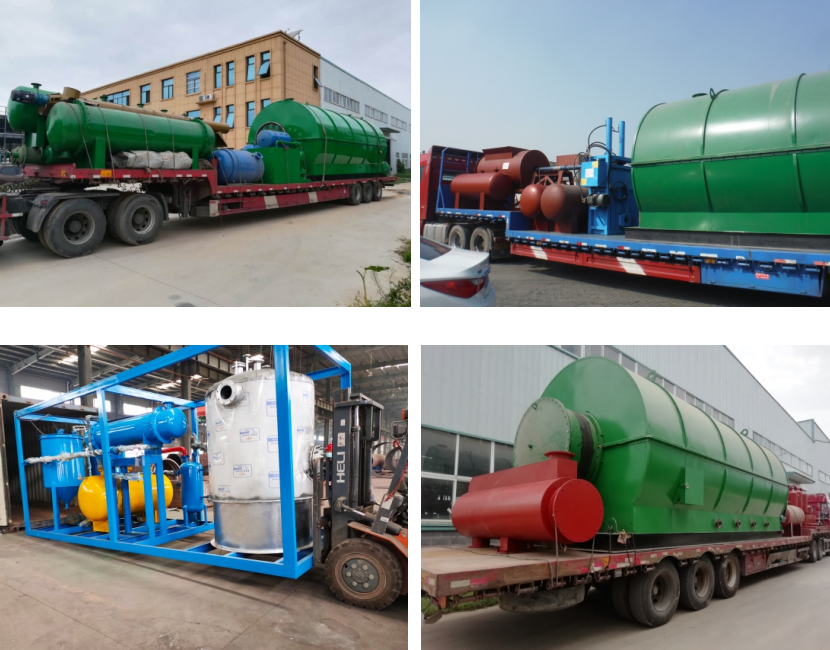
Packaging and Shipment
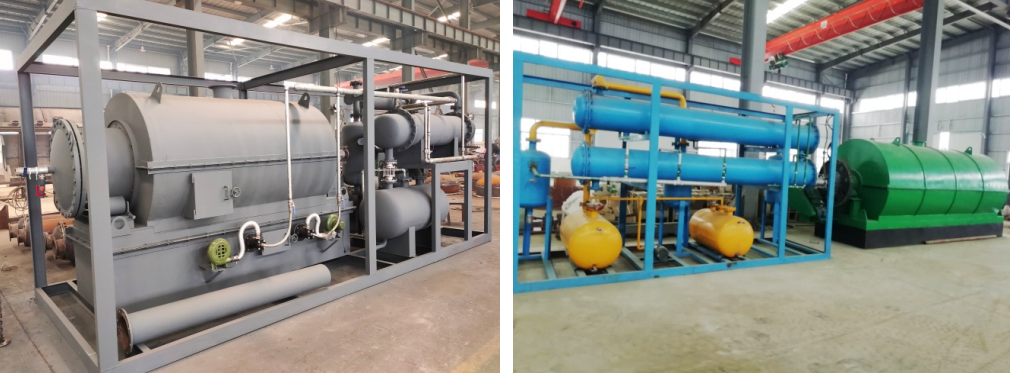
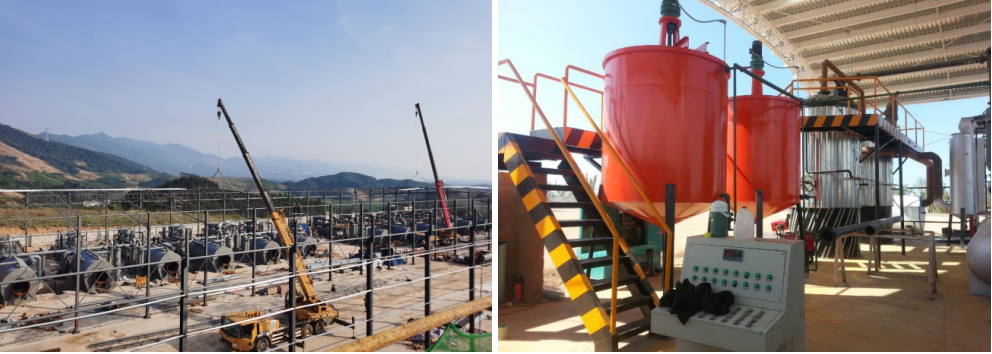
Site Installation
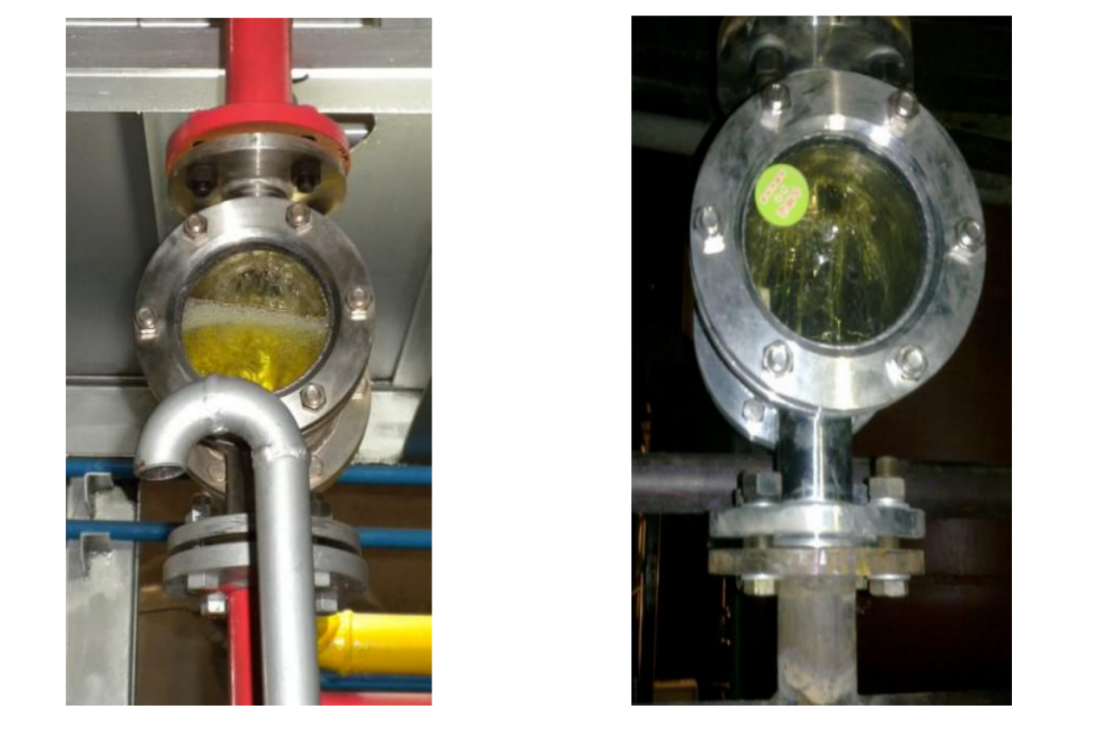
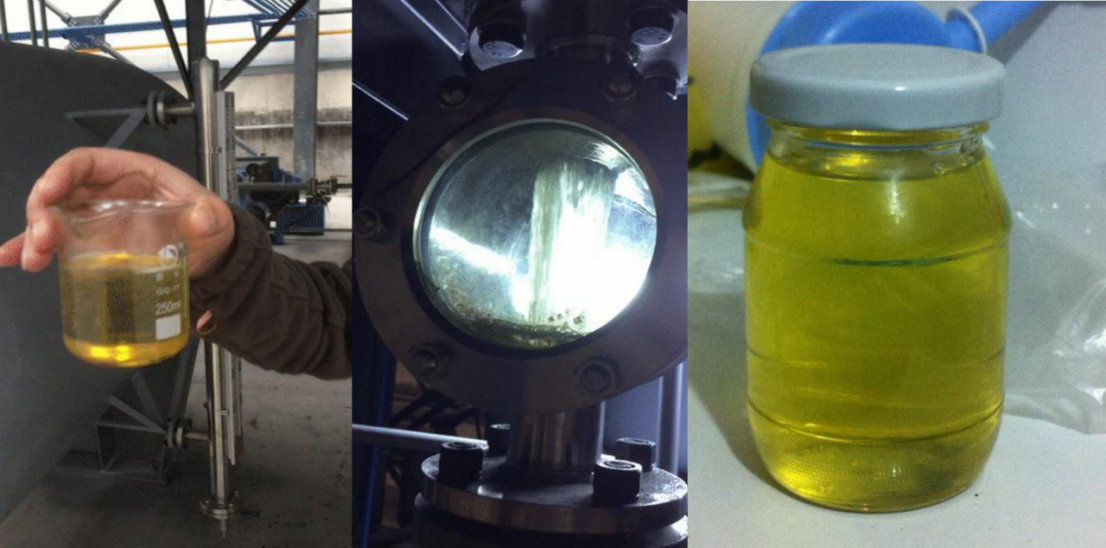
Output Oil from Our Machines
Oil Comparison before and after refining
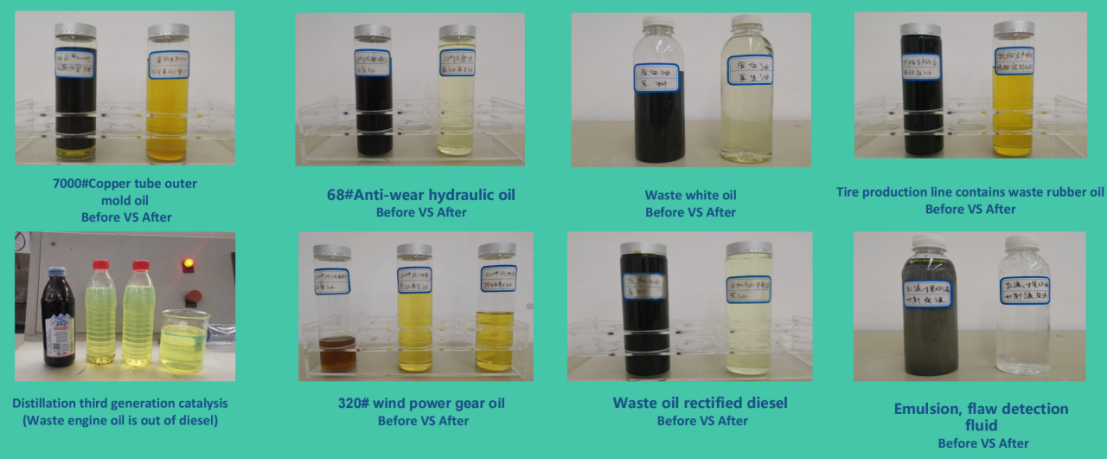
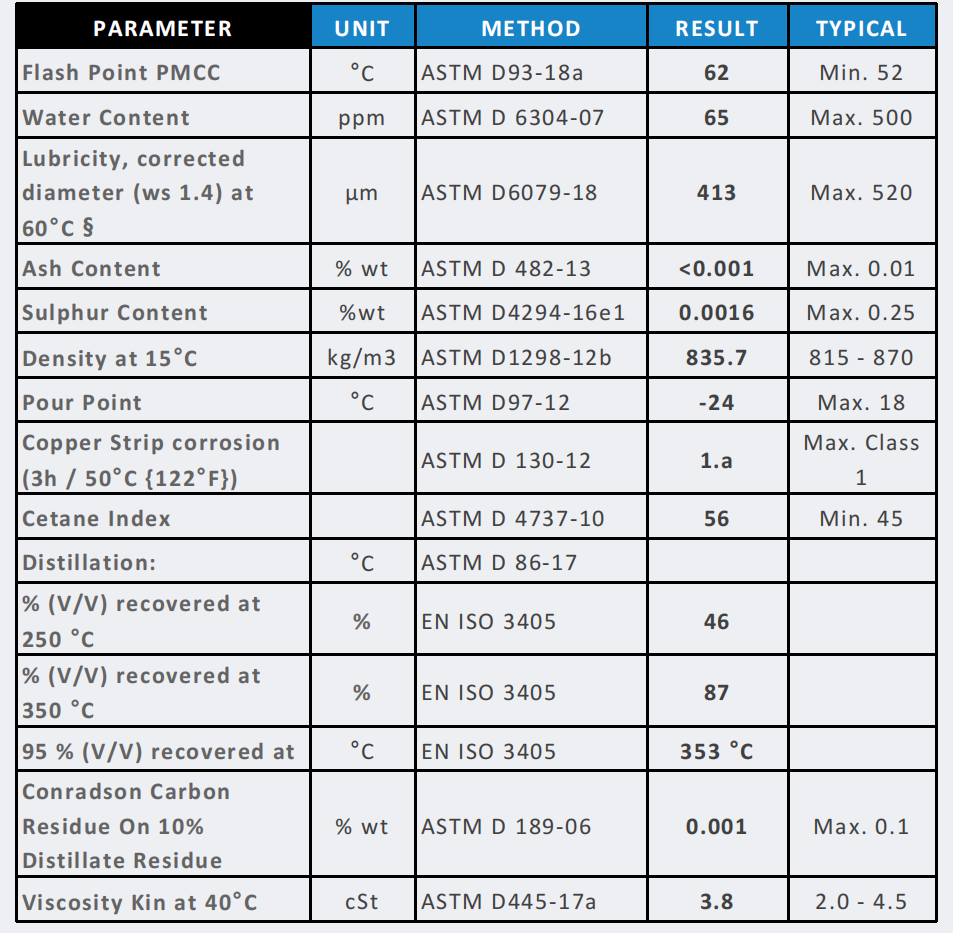
Output Oil Index After Refining